Pigeons can carry dangerous diseases, with over 60 types of pathogens associated with them. Common diseases linked to pigeons include E. coli and psittacosis.
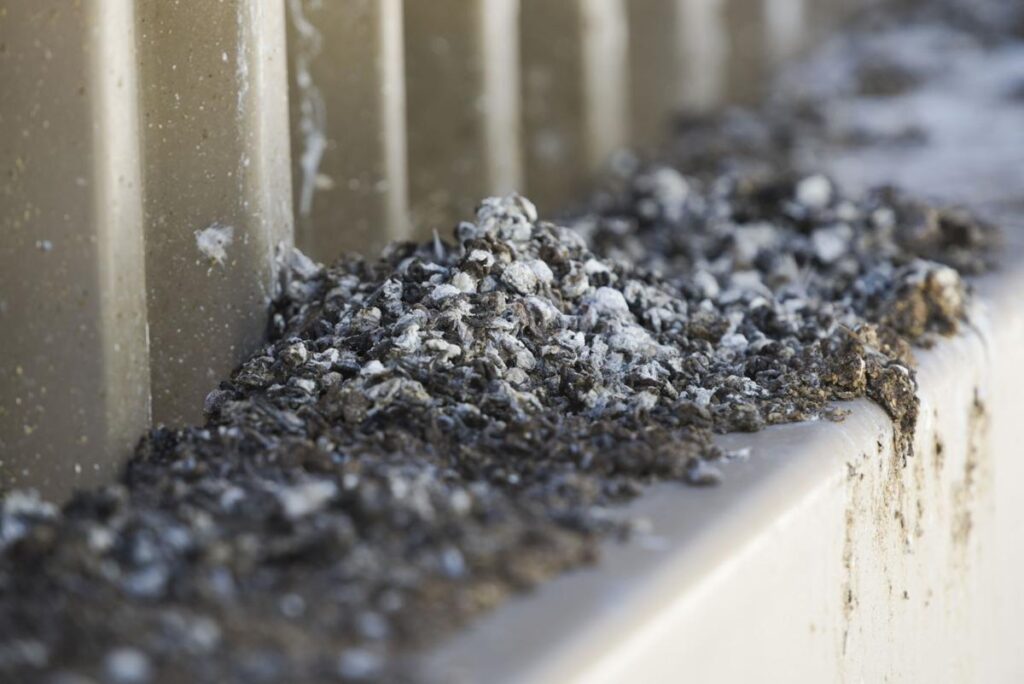
Pigeons usually pass these pathogens through their droppings. The droppings dry out, crumble, and become dust. This fecal dust in then inhaled through the nose or mouth or ingested with food.
There are many lung diseases that pigeons have spread to humans, including histoplasmosis, psittacosis, and cryptococcosis.
Lung ailments such as Hypersensitivity Pneumonitis, Bronchial Asthma, and Chronic Bronchitis can also be contracted from pigeons.

Cryptococcus is a yeast-like fungus that lives in the environment. It is found in soil contaminated by pigeon droppings. Infections caused by this fungus have led to multiple deaths worldwide.
Pigeon Breeder’s Lung or bird fancier’s lung disease is an allergic reaction to proteins that occur in pigeon droppings. It is also called extrinsic allergic alveolitis. Symptoms include breathlessness, dry cough and fatigue.
Pigeon Breeder’s Lung is a serious condition that can result in full respiratory failure if not treated in time. It is important to see a doctor as soon as possible if you are displaying symptoms of the disease.